
Common Questions About Access and Eligibility in Canada
Why it matters
Access rules can shape how fast someone gets help. Virtual therapy can remove some barriers, but it also comes with limits. Knowing who qualifies, what tools are needed, and how intake works helps people avoid delays.
Who can access virtual substance use therapy
Access depends on the provider, the type of program, and the level of care needed. Many people in Canada can use virtual counselling for substance use concerns, but not every case is appropriate for remote treatment.
A person may be eligible if they have mild to moderate substance use issues, need relapse prevention support, or want structured counselling while living at home. The main limit is safety. If someone has severe withdrawal risk, active psychosis, or immediate danger to themselves or others, online care alone may not be enough.
Coverage can also vary. Some services are public, some are private, and some require enrollment through a clinic or community program. A common mistake is assuming all virtual programs accept self-referrals or serve every province and territory in the same way.
Technology requirements for online treatment
Most virtual therapy programs need a stable internet connection, a phone, tablet, or computer, and a private place to talk. Video is often preferred, but some providers can work by phone if video is not practical.
The biggest problem is not usually the platform itself. It is privacy and consistency. Shared devices, weak connections, or noisy spaces can interrupt sessions and make honest conversation harder.
- A working camera and microphone, if video sessions are required
- An email address or phone number for scheduling and secure login steps
- A private setting where others cannot overhear sensitive details
If any of these are missing, treatment may still be possible, but the format might need to change. That tradeoff matters because lower-tech access can improve convenience, while reducing the provider’s ability to read body language and warning signs.
Age-related considerations for youth and adults
Age affects consent, privacy, and the type of clinical support offered. Youth may need parental or guardian involvement, depending on the program and local rules, while adults usually manage consent on their own.
This is not just an administrative detail. If consent rules are misunderstood, intake can stall or be denied. For younger clients, providers also need to judge if virtual care is developmentally appropriate and safe in the home setting.
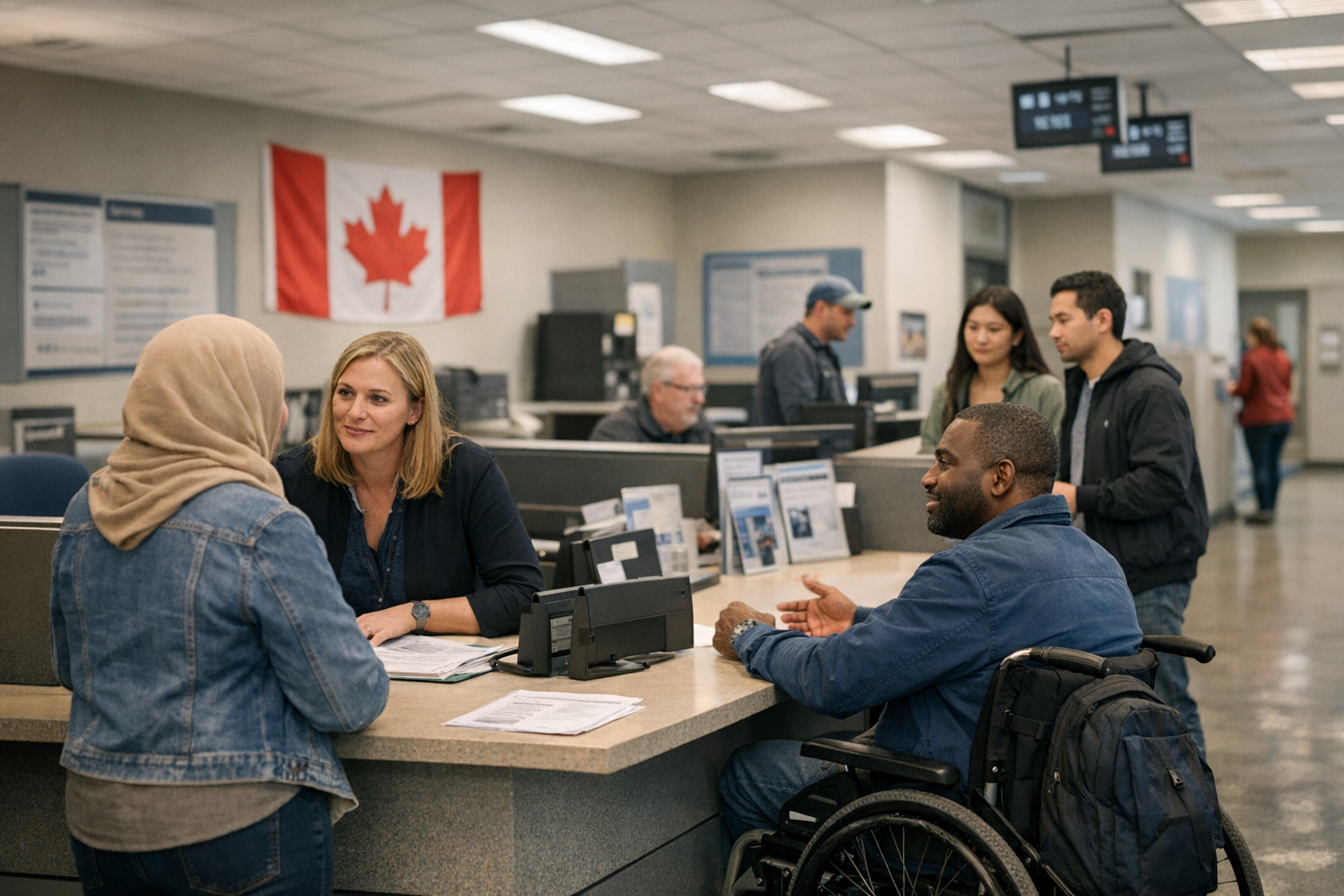
The assessment stage is where providers decide if virtual treatment fits the person’s risk level and goals. That can include questions about substance use patterns, mental health, medications, housing stability, and current safety concerns. People who need accommodation support may also use accessible canada resources alongside provider intake processes.
How referrals, assessments, and intake forms work online
Adults may have more control over scheduling and privacy, but they can still face barriers. Work hours, caregiving demands, or limited digital skills can reduce attendance. Some people also need a blended plan with virtual sessions and in-person medical support.
Most online programs start with a referral or self-referral, followed by screening questions and intake forms. These steps are usually completed through secure portals, email forms, or phone-based intake calls.
A common failure point is incomplete paperwork. Missing health history, emergency contact details, or consent forms can delay the first appointment. Another issue is underreporting symptoms during online screening, which can place someone in a program that is too light for their needs.
Is virtual therapy right for early intervention or ongoing recovery
Virtual therapy can work well for early intervention. It gives people a way to speak with a counsellor before substance use grows into a more severe pattern. That speed matters because long delays often make motivation fade.
It can also support ongoing recovery through check-ins, relapse prevention planning, and structured counselling after a higher level of care. The tradeoff is that virtual care may not provide enough containment for someone with unstable symptoms, unsafe living conditions, or repeated crisis episodes.
The best fit depends on current risk, home environment, and how much structure the person needs. If sessions are regularly missed, privacy is poor, or symptoms keep escalating, a provider may recommend a different level of care instead of continuing with a format that is no longer working.